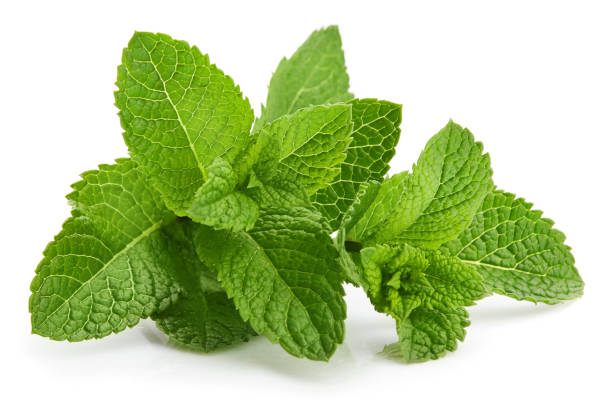
Peppermint
Mentha piperita
A strongly aromatic perennial of the mint family, reaching about 30–90 cm, with square, often purple-tinged stems and toothed, short-stalked dark green leaves. It is a sterile hybrid of water mint and spearmint, so it spreads by creeping runners rather than seed and persists as clonal patches. The crushed leaf is sharp and cooling, closer to menthol than to spearmint's sweeter note, and is used fresh or dried in teas, syrups and desserts.
A garden escape on damp ground — ditch banks, streamsides, wet field corners, verges and waste places, usually within reach of houses, allotments or dumped garden waste. Scattered rather than truly widespread across Britain and Ireland, and always as spreading patches rather than isolated plants.
The leaf is safe as a culinary herb and tea in ordinary amounts; concentrated peppermint oil is a different matter, can aggravate reflux, and is not given to infants. Pennyroyal (Mentha pulegium) smells strongly minty too but is a low, sprawling plant with flowers in tight whorls spaced along the stem rather than peppermint's upright stems and blunt terminal spikes; it should not be picked or eaten. Damp ditches beside sprayed or heavily grazed land are worth avoiding.
Always use more than one reference to confirm a plant. You are responsible for what you choose to forage.
Stem
Square in cross-section, upright, usually flushed purple or reddish-brown and nearly hairless. Roll it between finger and thumb — a round stem rules the plant out of the mint family altogether.
Leaves
Dark green, sometimes purple-veined, oval and pointed with sharply toothed margins, carried on a short but clear leaf stalk. Spearmint's leaves sit almost directly on the stem.
Smell when crushed
Cold and penetrating, the menthol note of peppermint sweets. A sweet, soft, chewing-gum smell means spearmint; a musty or slightly rank smell means one of the other wild mints and is worth walking away from.
Flowers
Small lilac to pale mauve flowers packed into a blunt spike at the stem tip, appearing from July. Being a sterile hybrid it sets no viable seed, so patches enlarge outwards by runner rather than appearing as scattered seedlings.
Growth habit
Forms dense, single-clone colonies from shallow surface runners, often filling a whole ditch bank. A solitary plant in dry grassland is more likely to be another mint species.
Updated 2026-08-07T21:15:30.081Z · Part of the shared Foragers Log catalogue · Herb