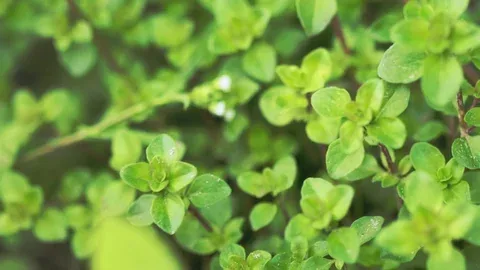
Oregano
Origanum vulgare
A bushy aromatic perennial of dry chalk and limestone, usually 30–60 cm tall, with square, often reddish stems, opposite oval leaves and dense heads of small pink-purple two-lipped flowers backed by darker bracts. Known in Britain as wild marjoram, it is the same species as culinary oregano, though native plants are generally sweeter and milder than the Mediterranean subsp. hirtum that supplies most dried oregano. Leaves and flowering tops are used fresh or dried.
Dry, well-drained calcareous ground: chalk and limestone grassland, quarry spoil, scrub and woodland edges, hedge banks and sunny verges. Commonest in southern and central England and on the northern limestones; scattered and often naturalised in Scotland and Ireland.
Generally safe in kitchen quantities, and there is no dangerously similar plant sharing its dry grassland habitat. Concentrated oregano essential oil is a different substance from the dried leaf and irritates skin and mucous membranes. Verge plants may carry traffic pollution, so pick well back from the road.
Always use more than one reference to confirm a plant. You are responsible for what you choose to forage.
Habit
Grows in loose bushy patches 30–60 cm tall from spreading rhizomes, woody at the base and branched above. On chalk downland it stands well clear of the sward, which is how it is usually spotted first.
Flowerheads
Small pink-purple flowers packed into dense, flat-topped clusters at the stem tips, each backed by darker purplish bracts. This is the quickest separation from the mints, which carry their flowers in whorls up the stem or in a narrow cylindrical spike.
Stems and leaves
Stems are square in cross-section and often flushed red. Leaves are opposite, oval, 1–4 cm long, softly hairy and carried on short stalks, with untoothed or only faintly toothed edges.
Crush test
Crushed leaves give a warm, peppery, thyme-like scent, milder and sweeter in UK plants than in shop-bought dried oregano. No aromatic scent at all means the plant is not an Origanum, whatever the flowers look like.
Winter remains
Dead flowering stems persist through winter as rusty-brown bracted heads on stiff stalks, which makes established patches easy to relocate ahead of the next season.
Updated 2026-08-08T11:13:28.208Z · Part of the shared Foragers Log catalogue · Herb