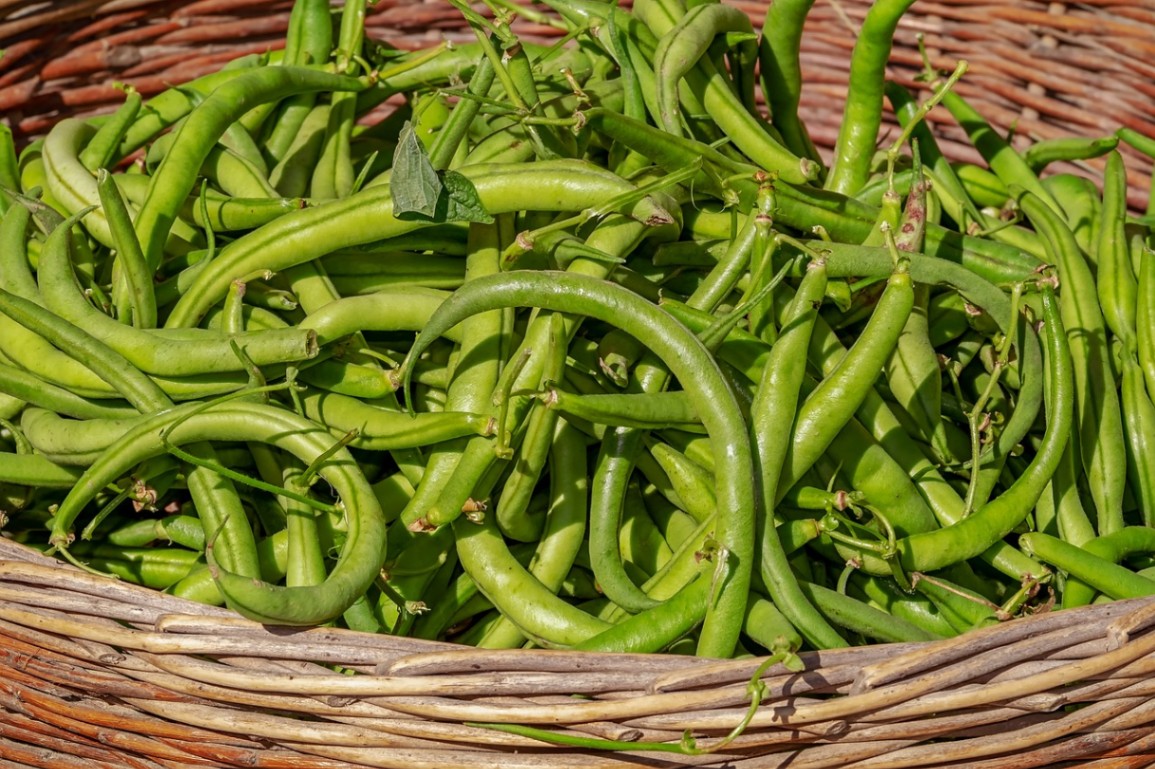
Winter Field Beans
Secale cereale
A tall blue-green annual grass, often reaching 1.5 to 2 m, with a long narrow flattened spike of two-flowered spikelets and rough awns that nod as the grain fills. Grown in Britain as a winter-sown cereal and as a green manure, and turning up on disturbed ground as a relic of cultivation. The slender grain is milled for dark rye flour and used in bread, crispbreads and spirits.
Sown on arable land and persisting on field margins, headlands and disturbed sandy or gravelly ground, with casual plants on tips, docks and roadsides. Tolerant of thin acid soils and hard winters, so it turns up further north and on poorer ground than wheat.
The grain carries no eating toxicity of its own, but it contains gluten. The real risk is ergot, Claviceps purpurea, which replaces grains with hard purple-black curved bodies protruding from the ear; rye is the most susceptible cereal and the alkaloids are seriously poisonous, so discard any ear bearing them rather than picking around them. Standing crops are owned and are usually sprayed.
Always use more than one reference to confirm a plant. You are responsible for what you choose to forage.
Height and colour
Stands 1.5 to 2 m at maturity, noticeably taller than wheat or barley in the same field, and distinctly blue-green with a waxy bloom on stem and leaf.
Spike
A long, narrow, flattened spike that arches over as the grain ripens, with one two-flowered spikelet at each node and long rough awns. Wheat's ear is plumper, shorter and stays more upright.
Leaf base
The auricles clasping the stem at the leaf base are small and hairless. Barley's are large, pale and wrap right around the stem, which separates the two before the ears form.
Grain
Long, slender and greenish-grey to brown, sitting loosely in the spikelet so it threshes free easily; wheat grains are shorter, rounder and paler.
Ear check for ergot
Before taking any ear, look for hard curved purple-black bodies 1 to 2 cm long standing where grains should be. One is reason to reject the whole ear.
Updated 2026-08-08T06:52:53.443Z · Part of the shared Foragers Log catalogue · Vegetable