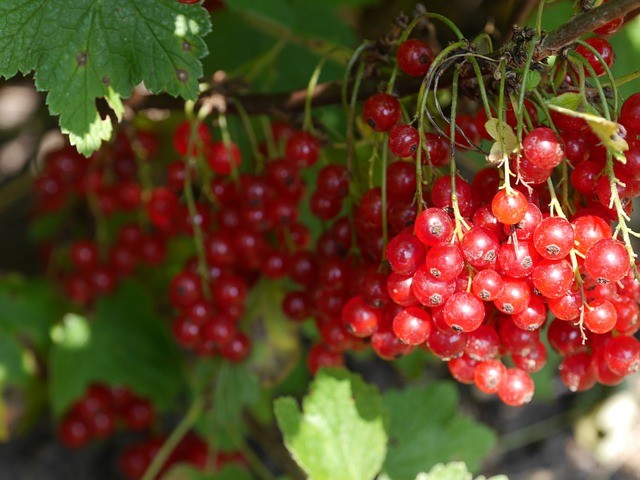
Cranberry
Vaccinium oxycoccos
A creeping evergreen dwarf shrub with stems little thicker than thread, running over wet Sphagnum moss and carrying tiny leaves with inrolled edges. The pink flowers have four petals swept fully back; the fruit is a firm red berry 6–10mm across, often marbled brown, and far larger than the plant looks able to hold. Sharply acidic, and almost always cooked, in sauces, jellies and drinks.
Confined to wet acid peatland — raised bog, blanket mire and the wettest hollows of wet heath — where it creeps across living Sphagnum lawns rather than rooting in soil. Scattered through northern England, Wales, Scotland and Ireland, and much reduced by drainage and peat cutting.
The berries are edible raw but intensely sour, and are normally cooked with sugar. Bog rosemary (Andromeda polifolia) grows through the same Sphagnum and its leaves are toxic: it stands upright and twiggy with leaves 15–35mm long and dry capsules, never cranberry's threadlike creeping stems and fleshy red berries. Wet bog is treacherous underfoot, so keep to firm ground and known paths.
Always use more than one reference to confirm a plant. You are responsible for what you choose to forage.
Habit and stems
Hair-thin, wiry stems creep and thread over the moss surface, seldom lifting more than a few centimetres. There is no upright bush: if the berries sit on a self-supporting twiggy shrub, it is not cranberry.
Leaves
Small, 4–10mm, oval to narrowly oblong, dark green above and distinctly whitish beneath, with the margins rolled under. Cowberry, growing on drier ground nearby, has broader leaves 10–30mm long that are green beneath with tiny dark dots.
Flowers
Nodding and pink, with the four petals swept right back to leave a projecting beak of stamens and style — closer to a miniature cyclamen than to the bell-shaped flowers of bilberry and cowberry.
Fruit
A firm globe or slightly pear-shaped berry 6–10mm across, pale and often marbled brown before ripening to deep red. It stays hard rather than softening, and the flesh contains air pockets, so ripe berries float.
Substrate check
Always growing out of living Sphagnum in ground that is wet underfoot. A red berry on dry heath, bank or woodland floor is something else, whatever the leaves look like.
Updated 2026-08-08T11:13:27.169Z · Part of the shared Foragers Log catalogue · Fruit