What the UK Was Foraging in August 2026 — Foragers Log Activity Report
Last reviewed 2 September 2026
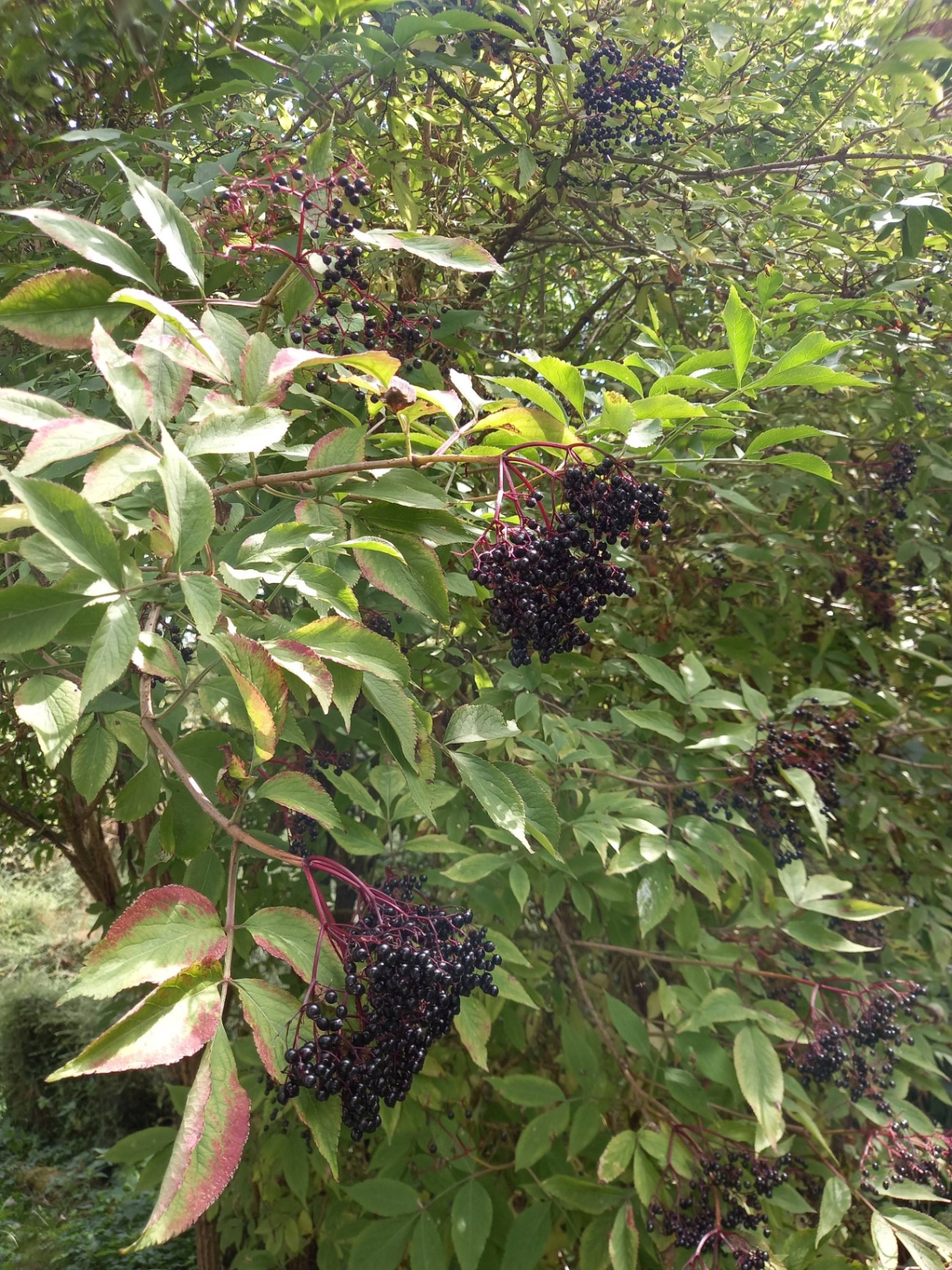
Foragers Log is preparing this first monthly activity report for the period 1 to 31 August 2026. It gives a summary of the entries made by people using the app, not a list of things that you should collect. For information about the method and its limitations, see the section at the bottom, and I suggest that you read those before interpreting the figures.
August 2026 at a glance
| August 2026 | July 2026 | |
|---|---|---|
| Forage logs | 516 | 150 |
| Ripeness observations | 386 | 10 |
| Distinct species | 111 | 49 |
| People who logged something | 101 | 47 |
All imported records are omitted from each of the figures on this page; they are discoveries made by individuals, recorded in the app, during the month mentioned.
The low figure for July is due to a simple reason, the ripeness question wasn’t included in the log flow until late July. What the August data shows is that when the question is available, about three-quarters of the logs provide an answer. That is the figure I had hoped for and the one that is important for the phenological dataset this application is intended to create.
What was being logged
The surface of the table is precisely what one would anticipate from an August in Britain, and that’s reassuring since it would be a concern if the data contradicted the hedgerow.
| Species | Logs | Contributors | Reported stage |
|---|---|---|---|
| Blackberry | 96 | 49 | 58 ripe, 6 unripe, 5 past |
| Elder (berries) | 49 | 30 | 31 ripe, 4 unripe, 3 past |
| Sweet chestnut | 40 | 2 | 40 unripe |
| Sloe | 35 | 20 | 14 ripe, 7 unripe |
| Hazel | 26 | 10 | 14 unripe, 5 ripe |
| Apple | 20 | 11 | 17 ripe |
| Rose hip | 18 | 9 | 6 ripe, 6 unripe |
| Chicken of the woods | 17 | 8 | 4 mature, 2 young, 7 past |
| Hawthorn berries | 14 | 9 | 5 unripe, 3 ripe |
| Raspberry | 14 | 5 | 10 past, 2 ripe |
In eight of the twelve UK regions blackberry was recorded by 49 different people, and the most active contributor made up no more than 14% of the entries. This is the species that appears in the best condition in the dataset: there are many independent observations, it is widely distributed and has a stage profile — mostly ripe, with a number already past the peak — which is in line with the month.
Elder adhered to the same pattern by one step. There were thirty contributors, most of them giving accounts of ripe berries, and a number of early ‘past’ reports at the end of the month.
It should be noted that in this case the figure of forty logs is not something to be taken at face value, since thirty-nine of them came from a single individual in the North West who, commendably, has been keeping a record of unripe cases during what I take to be a daily walk. This is an example of the diligence of one observer and not an indication of a nationwide trend. I have included the figure because it is honest data; I have also marked it so that you won’t interpret it as meaning that forty people are involved.
The sloes are the interesting case. Out of twenty contributors, two-thirds of the observations recorded ripe fruit in August. The usual advice is to wait until the first frost. However, the data shows that a great many people found sloes which they were happy to regard as ripe well before that happened. I don’t know from looking at just one month whether this is due to a warm year, to an optimistic definition of ripeness, or to both of these factors.
Raspberry is the most clear indication of the end of the season since ten out of twelve of the observations have been recorded as past.
Fungi
Fungi don’t usually appear this early and the figures bear that out. The only fungus recorded in any quantity was chicken of the woods, and more than half of the sightings had already occurred by that time—this is typical of a spring and early summer bracket, since by August you mostly come across the leathery remnants. There were two entries each for chanterelle, porcini and beefsteak fungus, as well as a few of dryad’s saddle, parasol and oyster mushrooms.
Ten individuals won the First Fungi Forage trophy in August, which shows that ten people have recorded a fungus for the first time. If that applies to you, please see the section on mushrooms in my apps comparison: no photo app, including this one, is reliable enough to eat from.
First of the season
Eleven species were first recorded this season in August; among these the important ones are rowan berries (four people reporting them as ripe), crab apple (three people reporting it, mostly in an unripe state), sea buckthorn, and the conkers for the first time—though obviously not edible, they were included as a reference species.
On the contrary, six species might have had their last entry of the year: garlic mustard, three-cornered leek, jelly ear, fig, cleavers, and lemon balm. We won’t know that it was the final entry until September’s data has been received.
New to the dataset entirely
In August a number of species first appeared in the Foragers Log: these included the Persian walnut, blackening polypore, pineapple weed, fat hen, sweet woodruff, Japanese wineberry, and azarole. Most of them were recorded by only one or two individuals. The list serves as a good reminder that a handwritten catalogue compiled against published references will always fall behind the reality of what people actually discover, and that the users of the app are more adventurous than the person who developed it.
Where the logs came from
England had 440 logs, Wales 32, Scotland 30, and Northern Ireland 1, while 13 could not be assigned to any nation. Since Wales and Scotland both roughly tripled on from July, having started with a small number, I wouldn’t want to interpret that as indicating a trend, and Northern Ireland’s one log is a gentle reminder of how empty the map is in that area.
In England blackberry reached the reporting threshold in London, the North East, the North West, the South East, the West Midlands, and in Yorkshire and the Humber; elder reached it in London, the North West, the South East, the South West, and in Yorkshire, while in all the other areas the coverage was too sparse to allow reporting by region.
The people behind it
In August 724 new accounts were set up, 655 of them being created by guests. Eighty-four people carried out their first ever forage. Of the 144 people who had used the app before, 144 came back and used it again.
The final figure is the one I’ll be keeping an eye on. August is a straightforward month; it’s easy to get people to open a foraging app when the blackberries are in. The issue is who is still logging in during November.
How this report was made
All the figures are based on the forage logs which were created in the Foragers Log app from 1st to 31st August 2026; throughout the analysis records imported from Falling Fruit and iNaturalist are excluded. The comparison column refers to the period from 1st to 31st July 2026, that is a corresponding 31-day period, since comparing a month with one of a different length would tell you about calendars rather than about plants.
The ripeness stages are included only in the case of logs for which the person had given an answer to the ripeness question, and a blank entry is not regarded as representing any data. Regional breakdowns are shown only when a species has had at least five logs in that region, and those species which are statutorily protected under Schedule 8 of the Wildlife and Countryside Act 1981 are excluded from the public reports even if there are five or more logs.
A log is merely a record of what one person saw at a particular time. It is not verified, does not state that the plant is safe to eat, and does not claim that you have the right to pick it from the place where it was found.
Frequently asked questions
Will a report be issued in September?
Certainly, it was in the first week of October. The fungi appear in September, and I am wondering if the data agrees.
P.S. If you recorded one of those forty sweet chestnuts, then thank you and please continue. The sort of record obtained by gathering forty unripe observations from a single tree in one month is precisely the kind that proves useful three years later, and no one else is doing it.
- activity report
- august 2026
- uk foraging season
- phenology
- blackberry
- elder
- sloes
- fungi
Sources
- Foragers Log — August 2026 activity export — foragerslog.co.uk, accessed 2 September 2026